
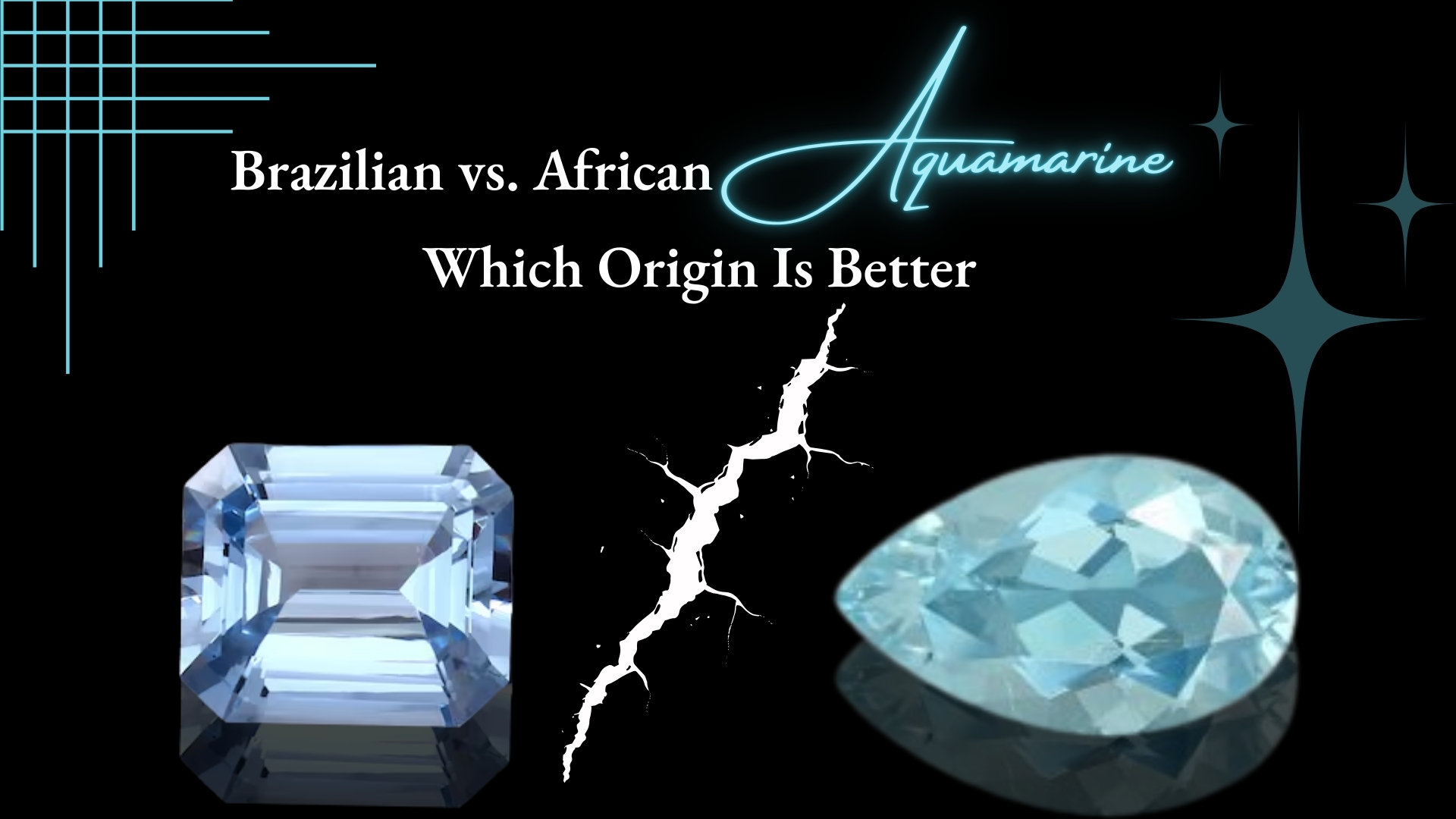
Aquamarine, with its calming blue sparkle, has enchanted gemstone enthusiasts for centuries. It is also called the "gem of the sea." This unique gemstone showcases purity, calmness, and emotional clarity. However, when it comes to purchasing Aquamarine, there is one question that repeatedly surfaces: Which is better, Brazilian Aquamarine or African Aquamarine?
Both locations create absolutely beautiful varieties, but each has its own set of characteristics, color, and value factors. In this exhaustive guide, we compare them across all key parameters to help you decide on the perfect gem.
A Quick Insight into Aquamarine’s Global Journey
Aquamarine is a member of the Beryl family, which also includes Emerald, Morganite, and Heliodor. Aquamarine can be mined and found in a variety of places, but Brazil and Africa remain the dominant sources of fine quality aquamarine crystals.
Brazil, mostly Minas Gerais, has produced some of the finest aquamarine for decades, including the well-known Santa Maria and Santa Maria Africano aquamarines. Earlier on, Africa, and specifically Nigeria, Mozambique, Madagascar, and Zambia, have become strong competitors, producing better colored and less expensive aquamarines.
Both origins are loved and respected worldwide; however, what to choose is dependent on what is most valuable to you a buyer. Whether you value the color, clarity, size, price, or availability of a gem.
Color Comparison: The Most Influential Factor
Brazilian Aquamarine: Soft, Pure, Oceanic Blues
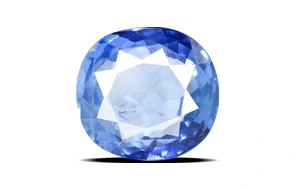
Brazilian Aquamarine is famous for its lovely pastel to medium-blue tone. The color is clean, soothing, and reminiscent of gentle ocean water. The most valuable Brazilian variety is Santa Maria Aquamarine, known for its deep, pure blue shade that remains unmatched in the gemstone world.
Color Traits:
- Pastel blue to medium-dark blue
- Highly uniform color
- Rare Santa Maria blue is deep yet calm
- Subtle greenish tint in some stones
People who prefer the traditional Aquamarine look—soft, elegant, and ocean-like—are often drawn to Brazilian gems.
African Aquamarine: Richer, Deeper, More Intense
African mines, particularly in Mozambique and Nigeria, produce Aquamarine with stronger saturation and sometimes bolder hues. Modern collectors love these richer tones because they appear more vibrant and luxurious.
Color Traits:
- Medium to deep blue with higher saturation
- Often more vivid than Brazilian stones
- Can show slight green or teal undertones
- Some stones mimic Santa Maria saturation, called Santa Maria Africana
If you want intense, eye-catching Aquamarine, the African origin offers more options.
Clarity & Transparency: Which Is Cleaner?
Aquamarine is naturally a clear gemstone, but inclusions still play a role in determining quality.
Brazilian Aquamarine Clarity
Brazilian stones are admired worldwide for their exceptional clarity. Many pieces are nearly eye-clean or completely transparent, which gives them a radiant, glassy look.
- Fewer inclusions
- High transparency
- Smooth internal structure
Collectors love Brazilian Aquamarine for its “clean water” appearance.
African Aquamarine Clarity
Apart from this the African Aquamarine can also be clean, but stones from certain regions may show more natural inclusions.
- Generally clean but slightly more variation
- Some pieces show micro-inclusions
- Modern heat treatments improve clarity further
African Aquamarine still shines beautifully and often provides a richer color even with minor inclusions.
Cut & Shape Availability
Brazilian Aquamarine
Brazil produces large crystals, allowing cutters to create:
- Larger carat stones
- Designer cuts
- High-end faceting
This makes Brazilian Aquamarine perfect for statement jewelry.
African Aquamarine
African stones tend to come in:
- Smaller to medium-sized crystals
- Excellent for rings and daily wear
- Often cut to maximize color depth
Because the color is usually stronger, even smaller African stones appear vivid.
Rarity & Value: Which Origin Holds More Worth?
Brazilian Aquamarine Value
Brazilian Aquamarine, especially the Santa Maria gemstones, is globally recognized and historically valued.
Factors contributing to higher prices:
- Superior clarity
- Traditional blue shades
- Market trust and a long mining history
- Extremely rare Santa Maria deposits
Premium Brazilian pieces command the highest prices per carat.
African Aquamarine Value
African Aquamarine is gaining fame for its intense color, making it highly desirable among modern buyers.
Value Points:
- Stronger saturation at reasonable prices
- Increasing demand for deep-blue tones
- Santa Maria Africana varieties offer premium shades
African Aquamarine can offer better color for the price, making it a great value option.
Durability & Treatment
Both Brazilian and African Aquamarines have the same hardness—7.5 to 8 on the Mohs scale—and are typically heat-treated to enhance color, which is completely normal in the gemstone industry. In terms of durability, both origins are equally strong, perfect for daily wear, and ideal for rings, earrings, pendants, or bracelets. Since there’s no difference in longevity or toughness, durability shouldn’t influence your choice between the two.
Price difference: Which One Costs More?
Price Comparison (Brazilian vs African Aquamarine)
Brazilian Aquamarine
- Light-to-medium blue Brazilian stones typically cost between ₹1,200–₹3,000 per carat, depending on color and clarity.
- Premium “Santa Maria” blue varieties (deep, rich blue) are far more expensive—sometimes ₹10,000+ per carat for high-quality pieces.
- Because Brazilian gems often offer great clarity and high-quality cuts, they are perceived as more premium.
African Aquamarine
- Regular blue stones from Africa start at around ₹4,500–₹7,000 per carat in Indian markets, according to listings on Rashi Ratan Bhagya.For more saturated, deep-blue African varieties, prices can go up to ₹10,000–₹12,000 per carat or more.
- “Santa Maria-type” African Aquamarine (sometimes called Santa Maria Africana) is more affordable than genuine Brazilian Santa Maria but still commands a premium for its rich tone.
Why African Aquamarine Can Be a Smarter Value
Because many African stones offer deeper, richer blue hues for a lower price per carat than equivalent Brazilian stones, they give better color for your money, especially if vibrancy is your priority.
Which Origin Should You Choose?
To make this decision clearer, here’s a quick comparison table:
|
Feature |
Brazilian Aquamarine |
African Aquamarine |
|
Color |
Soft to medium ocean blue |
Medium to deep vivid blue |
|
Clarity |
Higher, cleaner |
Slightly variable |
|
Rarity |
Very high for Santa Maria |
Moderate to high |
|
Price |
Higher |
Affordable to mid-range |
|
Ideal For |
Luxury jewelry, collectors |
Everyday wear, vibrant color lovers |
Final Verdict:
Choosing between Brazilian and African Aquamarine depends entirely on what you value most.
Choose Brazilian Aquamarine if you want:
- Pure, soft ocean-blue tones
- Exceptional clarity
- Santa Maria rarity
- Larger crystal sizes
Choose African Aquamarine if you want:
- Deep, vivid blue saturation
- Better price-to-color value
- Unique teal or richer tones
- Modern, bold-looking jewelry
Both origins offer breathtaking beauty and long-lasting durability. The real answer lies in your personal style, budget, and the emotional connection you feel when you look at the gemstone.
Always remember, no matter which type of gemstone you choose, aquamarine will always carry the calmness of water, the brilliance of sky, and the timeless elegance. This is what makes it one of the most sought-after gemstones on earth.
About The Author

Mr. Mukul Vashisth is an experienced Content Writer with over 7 years in the industry. He has worked with leading media, Gemstone, Jewelery(e-commerce), and digital marketing companies,creating impactful and SEO-friendly content. At Rashi Ratan Bhagya, he blends creativity with clarity to craft engaging blogs, and website content to inform and inspire readers.