Sort by: ▾
Products
-


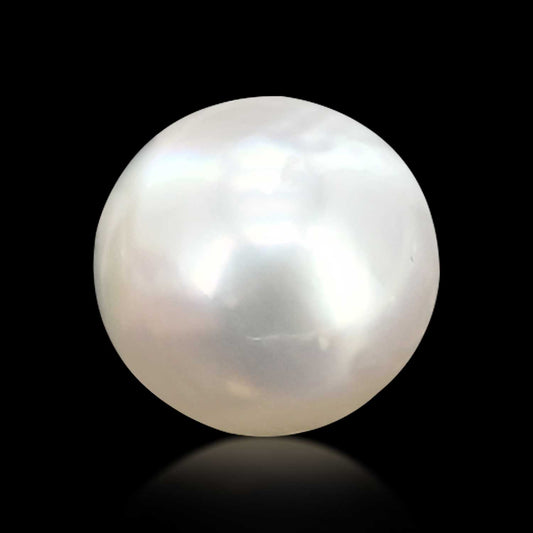
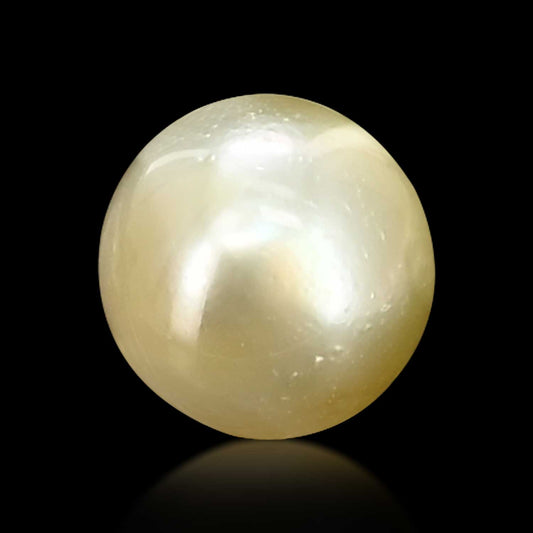
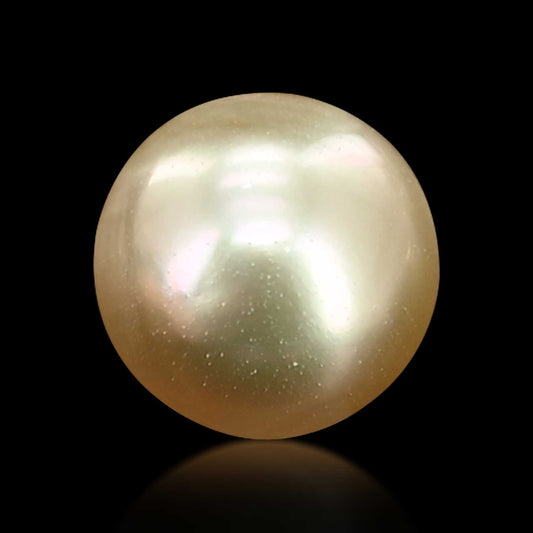
South Sea Pearl (Moti) 6.2 Carat
Regular price Rs. 9,300.00 INRRegular priceUnit price perSKU: PEASC16266620
Origin:
IndonesiaPrice/Carat: Rs. 1,500.00
-
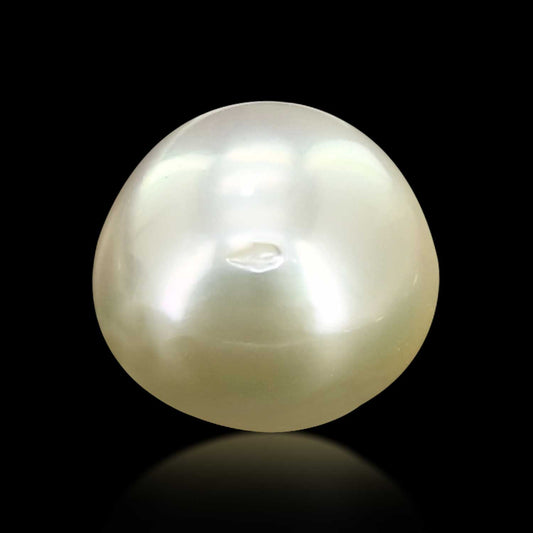
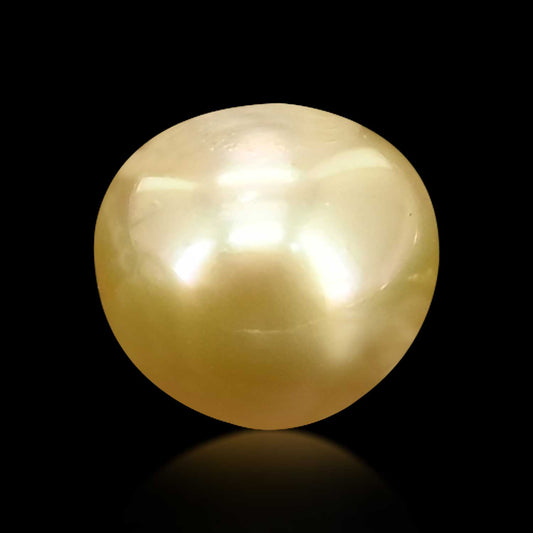
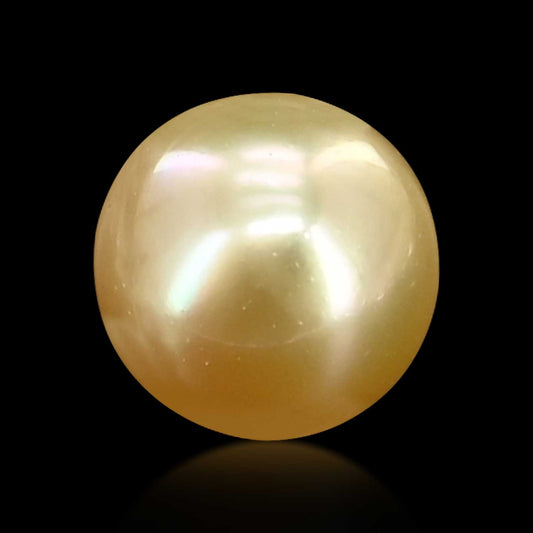
South Sea Pearl (Moti) 8 Carat
Regular price Rs. 16,000.00 INRRegular priceUnit price perSKU: PEASC16265800
Origin:
IndonesiaPrice/Carat: Rs. 2,000.00
-
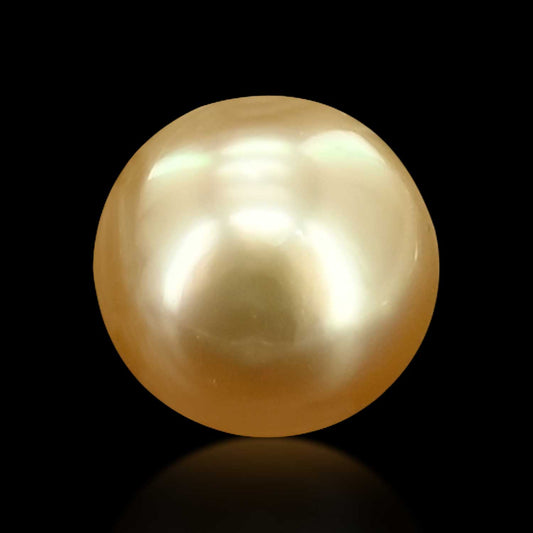
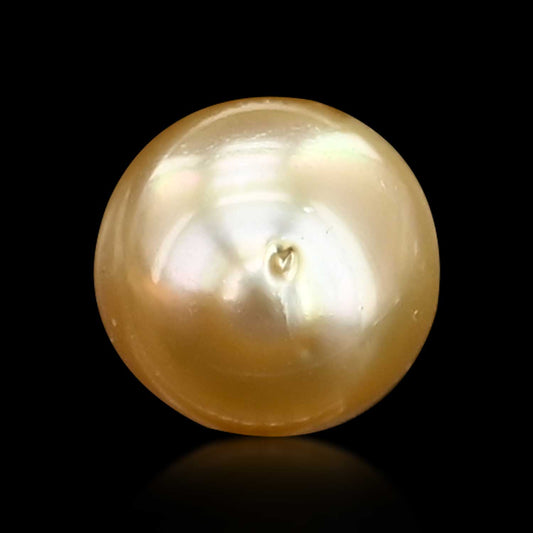
South Sea Pearl (Moti) 6.66 Carat
Regular price Rs. 9,990.00 INRRegular priceUnit price perSKU: PEASC16264666
Origin:
IndonesiaPrice/Carat: Rs. 1,500.00
-
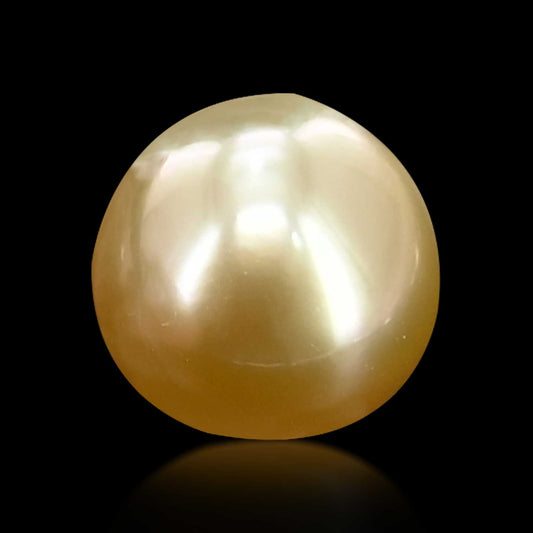
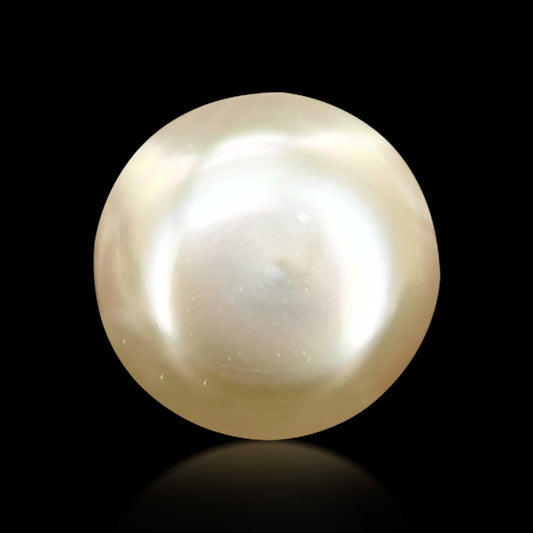
South Sea Pearl (Moti) 5.82 Carat
Regular price Rs. 20,370.00 INRRegular priceUnit price perSKU: PEASC16260582
Origin:
IndonesiaPrice/Carat: Rs. 3,500.00
-
South Sea Pearl (Moti) 11.83 Carat
Regular price Rs. 47,320.00 INRRegular priceUnit price perSKU: PEASC162561183
Origin:
IndonesiaPrice/Carat: Rs. 4,000.00
-
South Sea Pearl (Moti) 6.65 Carat
Regular price Rs. 16,625.00 INRRegular priceUnit price perSKU: PEASC16255665
Origin:
IndonesiaPrice/Carat: Rs. 2,500.00
-
South Sea Pearl (Moti) 6.35 Carat
Regular price Rs. 15,875.00 INRRegular priceUnit price perSKU: PEASC16254635
Origin:
IndonesiaPrice/Carat: Rs. 2,500.00
-
South Sea Pearl (Moti) 4.35 Carat
Regular price Rs. 10,875.00 INRRegular priceUnit price perSKU: PEASC16253435
Origin:
IndonesiaPrice/Carat: Rs. 2,500.00
-
South Sea Pearl (Moti) 6.77 Carat
Regular price Rs. 16,925.00 INRRegular priceUnit price perSKU: PEASC16251677
Origin:
IndonesiaPrice/Carat: Rs. 2,500.00
-
South Sea Pearl (Moti) 5.97 Carat
Regular price Rs. 14,925.00 INRRegular priceUnit price perSKU: PEASC16250597
Origin:
IndonesiaPrice/Carat: Rs. 2,500.00
-
South Sea Pearl (Moti) 6.88 Carat
Regular price Rs. 17,200.00 INRRegular priceUnit price perSKU: PEASC16249688
Origin:
IndonesiaPrice/Carat: Rs. 2,500.00
-
South Sea Pearl (Moti) 5.46 Carat
Regular price Rs. 13,650.00 INRRegular priceUnit price perSKU: PEASC16248546
Origin:
IndonesiaPrice/Carat: Rs. 2,500.00
-
South Sea Pearl (Moti) 5.39 Carat
Regular price Rs. 13,475.00 INRRegular priceUnit price perSKU: PEASC16247539
Origin:
IndonesiaPrice/Carat: Rs. 2,500.00
-
South Sea Pearl (Moti) 5.27 Carat
Regular price Rs. 13,175.00 INRRegular priceUnit price perSKU: PEASC16246527
Origin:
IndonesiaPrice/Carat: Rs. 2,500.00
-
South Sea Pearl (Moti) 5.2 Carat
Regular price Rs. 13,000.00 INRRegular priceUnit price perSKU: PEASC16245520
Origin:
IndonesiaPrice/Carat: Rs. 2,500.00
-
South Sea Pearl (Moti) 6.2 Carat
Regular price Rs. 15,500.00 INRRegular priceUnit price perSKU: PEASC16244620
Origin:
IndonesiaPrice/Carat: Rs. 2,500.00
-
South Sea Pearl (Moti) 6.01 Carat
Regular price Rs. 15,025.00 INRRegular priceUnit price perSKU: PEASC16243601
Origin:
IndonesiaPrice/Carat: Rs. 2,500.00
-
South Sea Pearl (Moti) 6.11 Carat
Regular price Rs. 15,275.00 INRRegular priceUnit price perSKU: PEASC16242611
Origin:
IndonesiaPrice/Carat: Rs. 2,500.00
-
South Sea Pearl (Moti) 6.02 Carat
Regular price Rs. 15,050.00 INRRegular priceUnit price perSKU: PEASC16241602
Origin:
IndonesiaPrice/Carat: Rs. 2,500.00
-
South Sea Pearl (Moti) 6.16 Carat
Regular price Rs. 15,400.00 INRRegular priceUnit price perSKU: PEASC16240616
Origin:
IndonesiaPrice/Carat: Rs. 2,500.00
-
South Sea Pearl (Moti) 5.32 Carat
Regular price Rs. 13,300.00 INRRegular priceUnit price perSKU: PEASC16239532
Origin:
IndonesiaPrice/Carat: Rs. 2,500.00
-
South Sea Pearl (Moti) 7.01 Carat
Regular price Rs. 17,525.00 INRRegular priceUnit price perSKU: PEASC16238701
Origin:
IndonesiaPrice/Carat: Rs. 2,500.00
-
South Sea Pearl (Moti) 5.33 Carat
Regular price Rs. 13,325.00 INRRegular priceUnit price perSKU: PEASC16237533
Origin:
IndonesiaPrice/Carat: Rs. 2,500.00
-
South Sea Pearl (Moti) 8.12 Carat
Regular price Rs. 20,300.00 INRRegular priceUnit price perSKU: PEASC16236812
Origin:
IndonesiaPrice/Carat: Rs. 2,500.00
-
South Sea Pearl (Moti) 6.14 Carat
Regular price Rs. 15,350.00 INRRegular priceUnit price perSKU: PEASC16235614
Origin:
IndonesiaPrice/Carat: Rs. 2,500.00
-
South Sea Pearl (Moti) 5.69 Carat
Regular price Rs. 14,225.00 INRRegular priceUnit price perSKU: PEASC16234569
Origin:
IndonesiaPrice/Carat: Rs. 2,500.00
-
South Sea Pearl (Moti) 6.54 Carat
Regular price Rs. 16,350.00 INRRegular priceUnit price perSKU: PEASC16233654
Origin:
IndonesiaPrice/Carat: Rs. 2,500.00
-
South Sea Pearl (Moti) 5.78 Carat
Regular price Rs. 14,450.00 INRRegular priceUnit price perSKU: PEASC16232578
Origin:
IndonesiaPrice/Carat: Rs. 2,500.00
-
South Sea Pearl (Moti) 6.69 Carat
Regular price Rs. 16,725.00 INRRegular priceUnit price perSKU: PEASC16231669
Origin:
IndonesiaPrice/Carat: Rs. 2,500.00
-
South Sea Pearl (Moti) 6.73 Carat
Regular price Rs. 16,825.00 INRRegular priceUnit price perSKU: PEASC16230673
Origin:
IndonesiaPrice/Carat: Rs. 2,500.00
-
South Sea Pearl (Moti) 5.71 Carat
Regular price Rs. 14,275.00 INRRegular priceUnit price perSKU: PEASC16229571
Origin:
IndonesiaPrice/Carat: Rs. 2,500.00
-
South Sea Pearl (Moti) 6.98 Carat
Regular price Rs. 17,450.00 INRRegular priceUnit price perSKU: PEASC16228698
Origin:
IndonesiaPrice/Carat: Rs. 2,500.00
-
South Sea Pearl (Moti) 6.34 Carat
Regular price Rs. 15,850.00 INRRegular priceUnit price perSKU: PEASC16227634
Origin:
IndonesiaPrice/Carat: Rs. 2,500.00
-
South Sea Pearl (Moti) 6.16 Carat
Regular price Rs. 15,400.00 INRRegular priceUnit price perSKU: PEASC16226616
Origin:
IndonesiaPrice/Carat: Rs. 2,500.00
-
South Sea Pearl (Moti) 6.52 Carat
Regular price Rs. 16,300.00 INRRegular priceUnit price perSKU: PEASC16225652
Origin:
IndonesiaPrice/Carat: Rs. 2,500.00
-
South Sea Pearl (Moti) 6.12 Carat
Regular price Rs. 15,300.00 INRRegular priceUnit price perSKU: PEASC16224612
Origin:
IndonesiaPrice/Carat: Rs. 2,500.00